
Posted by Eric Suarez on Aug 19th 2026
The Ultimate Guide to Choosing the Best Hunting Sling for Rifles and Shotguns
A hunting sling is one of the most overlooked pieces of gear on a rifle or shotgun.
Most hunters spend far more time carrying their firearm than shooting it. Whether you are walking to a deer stand before daylight, covering public land during rifle season, chasing elk through broken terrain, or following a bird dog across open fields, your firearm is on your shoulder for hours at a time.
That is where the right sling matters.
How to Set Up a Hunting Sling for Deer Rifles, Shotguns, and Long Days in the Field
A poorly designed sling can slide off your shoulder, swing into brush, dig into your neck, or make your rifle feel heavier than it actually is. A quality hunting sling does the opposite. It helps keep your firearm secure, reduces fatigue, improves control, and keeps your rifle or shotgun ready when an opportunity appears.
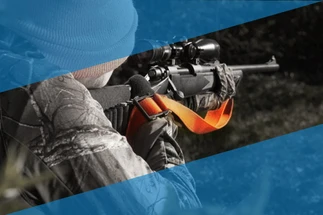
In the Blue Force Gear Hunting Sling Overview video, Chris Sizelove demonstrates how to set up the Hunting Sling on both a deer rifle and a bird shotgun. The goal is simple: give hunters a durable, dependable sling that works across real hunting applications without unnecessary complexity.
This guide breaks down what makes a good hunting sling, how to set one up, what mistakes to avoid, and how to choose the best sling for your style of hunting. Before diving into the details, watch Chris Sizelove demonstrate the Blue Force Gear Hunting Sling on both a deer rifle and a bird shotgun.
What Is a Hunting Sling?
A hunting sling is a firearm sling designed to help hunters carry, control, and access their rifle or shotgun in the field. At its most basic level, a sling makes it easier to carry a firearm. But a good hunting sling does more than act as a shoulder strap. It keeps the firearm secure while walking, allows hands-free movement when needed, helps reduce fatigue, and can improve control when transitioning from carry to shooting position.
For hunters, this matters because conditions are rarely perfect.
You may be stepping over deadfall, climbing into a stand, opening gates, glassing a field edge, crossing a creek, or moving through thick cover. A good sling helps manage the firearm during all of those moments without becoming something you have to fight.
Hunting Sling vs. Carry Strap: What Is the Difference?
Many hunters use the terms “sling” and “strap” interchangeably, but there is a difference. A basic carry strap is primarily used to transport the firearm from one place to another. It may be comfortable on the shoulder, but it often lacks the control, adjustability, and stability that hunters need in the field. A true hunting sling is built around carry, control, and readiness.
| Feature | Basic Carry Strap | Quality Hunting Sling |
|---|---|---|
| Carries the firearm | Yes | Yes |
| Helps control movement | Limited | Yes |
| Works across rifle and shotgun setups | Sometimes | Yes |
| Adjusts for field conditions | Limited | Yes |
| Supports quick access | Limited | Yes |
| Built for hard field use | Varies | Yes |
| Can help stabilize shooting positions | Limited | Yes |
If your firearm only needs to be carried from the truck to the stand, almost any strap can help. But if you are moving through terrain, hunting all day, or carrying a firearm in changing conditions, a purpose-built hunting sling is the better tool.
What Makes the Best Hunting Sling?
Not all hunting slings are built the same. The best hunting sling should be simple, durable, comfortable, and dependable.
Here are the key features to look for.
Secure Attachment Hardware
A sling is only as reliable as its connection points. Many hunting rifles and shotguns use standard swivel studs. That means the sling hardware needs to attach securely and stay attached through real field use. The Blue Force Gear Hunting Sling uses heavy-duty machined metal side-release swivels that attach directly to traditional swivel studs. This gives hunters a strong, reliable connection point without needing complicated adapters or unnecessary hardware. That matters when your rifle is bouncing against a pack, riding over your shoulder, moving through brush, or getting carried in wet and dirty conditions.
Comfortable Carry
A hunting sling should make carrying a firearm easier, not more irritating. A rifle or shotgun may feel manageable at the truck, but after several hours in the field, every ounce starts to matter. A quality sling helps distribute weight and keeps the firearm positioned where it belongs. For deer hunters, this can mean a more comfortable walk to the stand or a better experience still-hunting through timber. For bird hunters, it can mean less fatigue after miles of walking behind dogs. For turkey and waterfowl hunters, it can free up your hands while carrying calls, decoys, packs, or other gear.
Fast, Simple Adjustment
Complicated gear tends to fail the field test. A hunting sling should be easy to adjust, easy to understand, and easy to use with gloves or cold hands. Hunters do not need unnecessary gimmicks. They need a sling that can move from carry mode to ready position without slowing them down. The best hunting sling is the one you do not have to think about once the hunt begins.
Durability in Bad Weather and Rough Terrain
Hunting gear gets abused. Rain, snow, mud, briars, dust, sweat, and temperature swings all expose weak points. A sling that works fine at the range may not hold up after being dragged through a season of real hunting. Durable webbing, reliable hardware, and secure attachment points matter. If a sling fails, it can damage the firearm, cost you time, or create a problem at the worst possible moment.
Choosing the Right Hunting Sling for Your Style of Hunting
The best hunting sling depends on how you hunt. A whitetail hunter walking 300 yards to a ladder stand has different needs than an upland hunter covering miles behind a dog. A turkey hunter crawling into position has different needs than a backcountry hunter glassing ridgelines. Here is how to think through the most common hunting applications.
Best Sling for Deer Hunting
For deer hunting, the sling needs to support comfortable carry and quick access. A deer rifle is often carried over the shoulder while walking to a stand, moving along field edges, or navigating wooded terrain. A sling that is too loose can allow the rifle to swing or slide. A sling that is too tight can make it hard to shoulder the rifle quickly.
The ideal deer rifle sling should:
- Keep the rifle secure while walking
- Allow enough adjustment to shoulder the firearm naturally
- Reduce fatigue during longer carries
- Avoid excessive loose material that can snag
- Attach securely to standard rifle swivel studs
For most deer hunters, simplicity is a major advantage. You want a sling that works quietly, rides comfortably, and does not require constant adjustment.
Best Sling for Bird Hunting
Bird hunters often need a different setup. Whether you are hunting dove, pheasant, quail, grouse, or other upland birds, the shotgun needs to remain accessible. A bird may flush quickly, and the firearm has to come into action without delay.
A good shotgun sling should:
- Reduce fatigue during long walks
- Keep the shotgun secure between flushes
- Avoid getting in the way when mounting the gun
- Stay manageable around brush, dogs, and gear
- Allow quick movement when birds get up
For upland hunters, comfort becomes more important with every mile. The right sling keeps the shotgun manageable without interfering when it is time to shoot.
Best Sling for Turkey Hunting
Turkey hunters often carry more gear than they planned to. Calls, decoys, packs, blinds, extra layers, and seat cushions all compete for space. A sling helps free up your hands while moving between setups or slipping into position.
For turkey hunting, a good sling should:
- Keep the shotgun close to the body
- Allow quiet movement through cover
- Work with packs and layered clothing
- Make it easier to carry calls and other gear
- Stay secure when changing positions
A sling that is simple and quiet is especially useful here. Turkey hunting often involves slow movement and close-range encounters where unnecessary noise and movement can ruin an opportunity.
Best Sling for Waterfowl Hunting
Waterfowl hunters deal with mud, water, cold weather, gloves, blinds, boats, and decoys. A shotgun sling can be especially useful when carrying gear to and from the blind or moving through wet ground. In this environment, durability and hardware quality matter.
For waterfowl hunting, look for:
- Durable construction
- Secure sling swivels
- Simple adjustment
- Materials that can handle moisture and dirt
- A setup that does not interfere with other gear
A sling should help manage the shotgun, not become another piece of equipment to untangle.
Best Sling for Backcountry or Public Land Hunting
Hunters covering long distances need a sling that handles real mileage. If you are climbing, glassing, moving across uneven ground, or carrying a pack, the sling needs to keep the firearm secure and controlled. A rifle that constantly slides off your shoulder or swings into obstacles becomes more than annoying. It becomes a liability.
For longer hunts, prioritize:
- Secure attachment
- Comfortable carry
- Controlled firearm movement
- Fast access when needed
- Durability over lightweight gimmicks
A good hunting sling helps conserve energy, and that matters over the course of a full day.
How to Set Up a Hunting Sling on a Deer Rifle
Setting up a hunting sling on a deer rifle starts with the attachment points. Most traditional hunting rifles are equipped with front and rear swivel studs. The Blue Force Gear Hunting Sling is designed to attach directly to those studs using machined metal side-release swivels. Once attached, adjust the sling so the rifle rides securely but can still be brought into action quickly.
A good deer rifle sling setup should allow you to:
- Carry the rifle comfortably over the shoulder
- Keep the muzzle controlled while walking
- Prevent the rifle from swinging excessively
- Shoulder the rifle without fighting the sling
- Move through brush, stands, and uneven terrain with better control
A common mistake is running the sling too loose. While a loose sling may feel relaxed at first, it usually allows the rifle to bounce, shift, or slide. Over time, that creates fatigue and frustration.
A proper setup should feel secure, natural, and repeatable.
Before opening day, install the sling and test it with the clothing and pack you actually plan to use. A sling that feels right in a T-shirt may need adjustment when worn over a jacket, bino harness, or pack.
How to Set Up a Hunting Sling on a Shotgun
Shotgun sling setup depends on the type of hunting you do. For bird hunting, the shotgun needs to stay accessible. For turkey and waterfowl hunting, the sling may be used more for carrying gear in and out, then removed or managed once in position. The key is to set the sling length so it helps during movement without interfering when mounting the shotgun.
A proper shotgun sling setup should:
- Keep the shotgun secure while walking
- Reduce shoulder and arm fatigue
- Allow quick access when needed
- Avoid excess slack
- Stay clear of the hands and mounting position
Chris Sizelove’s Hunting Sling Overview video shows how the Blue Force Gear Hunting Sling can be configured for a bird shotgun setup, giving hunters another option beyond a basic rifle configuration. That flexibility is important because not every hunt looks the same.
How to Carry a Hunting Rifle Comfortably All Day
A good sling helps, but setup matters. To carry a hunting rifle comfortably for long periods, focus on three things: sling length, firearm position, and gear interference.
Adjust the Sling Before the Hunt
Do not wait until you are in the field to make adjustments. Put on your jacket, pack, bino harness, or whatever gear you normally wear. Then adjust the sling with the full setup in place.
Keep the Rifle From Riding Too Low
If the rifle hangs too low, it can swing, bounce, or catch on brush. A higher, more controlled position usually keeps the firearm more stable and easier to manage.
Check for Snag Points
Loose webbing, oversized adjustment loops, and dangling hardware can catch on brush or gear. Once the sling is adjusted, make sure there is nothing unnecessary hanging loose.
Practice Shouldering the Rifle
The sling should not prevent you from bringing the rifle into position. If it does, adjust it before the hunt. The goal is comfortable carry without sacrificing access.
Can a Hunting Sling Improve Shooting Stability?
Yes, a properly used sling can help improve stability in certain shooting positions. A hunting sling is not a replacement for marksmanship fundamentals, a solid rest, or good fieldcraft. But when used correctly, it can help create tension between the shooter and the firearm. That tension may help reduce movement and improve control.
This can be useful when:
- Shooting from a kneeling position
- Sitting without a rest
- Taking a longer shot across a field
- Stabilizing the rifle on uneven ground
- Controlling the firearm during awkward shooting positions
The main benefit is consistency. A sling can help create a more stable connection between the shooter and rifle when a perfect rest is not available.
Common Hunting Sling Mistakes
Even experienced hunters make sling mistakes. Most are easy to fix.
Choosing the Cheapest Sling Available
A sling is not just an accessory. It is what keeps your firearm attached to you while moving through the field. Cheap hardware, weak stitching, and poor adjustment can cause problems quickly.
Running the Sling Too Loose
A loose sling may feel comfortable at first, but it often causes more movement and fatigue over time. If the rifle or shotgun is swinging around, the sling needs adjustment.
Ignoring the Swivels and Studs
Check your attachment points before every season. A strong sling still depends on secure studs and properly attached swivels. If the connection points are loose, worn, or damaged, fix them before heading into the field.
Never Testing the Sling With Real Gear
Your sling setup should be tested with the gear you actually hunt in. Heavy jackets, backpacks, gloves, and bino harnesses can all change the way the sling rides.
Using the Wrong Sling for the Hunt
Not every sling is right for every application. A sling designed for a tactical rifle may not be ideal for a traditional hunting rifle or shotgun. Hunting often rewards simple, quiet, durable equipment that does not get in the way.
Why Hunters Choose the Blue Force Gear Hunting Sling
The Blue Force Gear Hunting Sling was built for hunters who want dependable gear without unnecessary complexity. It is designed around real hunting use, where comfort, durability, and secure attachment matter every time you step into the field.
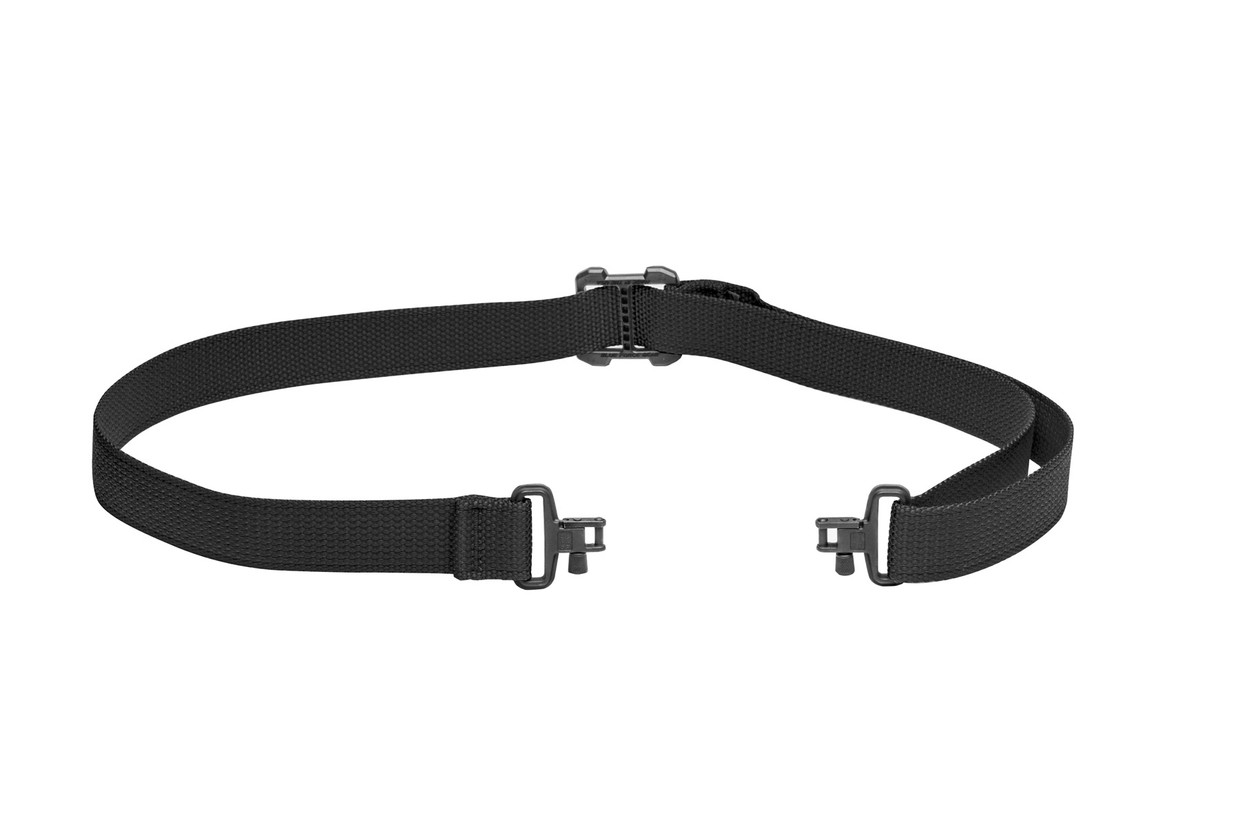
Key features include:
- Heavy-duty machined metal side-release swivels
- Direct attachment to standard swivel studs
- Rifle and shotgun compatibility
- Simple adjustment for field use
- Durable construction
- Lightweight, practical design
- Available in Black and Coyote Brown
Whether you are carrying a deer rifle through hardwoods, walking behind a bird dog, setting up for turkey, or heading into the blind before daylight, the Hunting Sling is designed to keep your firearm secure, comfortable, and ready.
It is not built to be complicated. It is built to work.
Hunting Sling Setup Checklist
Before your next hunt, use this quick checklist:
- Confirm your rifle or shotgun has secure swivel studs
- Attach the sling using quality swivels
- Adjust the sling while wearing your hunting clothing
- Check that the firearm rides securely
- Make sure the sling does not interfere with shouldering the firearm
- Remove excess slack where possible
- Inspect hardware before each season
- Practice carrying and shouldering before opening day
A few minutes of setup before the season can make every hunt more comfortable.
Frequently Asked Questions About Hunting Slings
What is the best hunting sling for a rifle?
The best hunting sling for a rifle is one that carries comfortably, attaches securely, adjusts easily, and keeps the rifle ready when needed. Hunters should look for durable hardware, dependable construction, and a setup that works with standard rifle swivel studs.
What is the best sling for deer hunting?
The best deer hunting sling should keep the rifle secure while walking, reduce fatigue, and allow quick access when game appears. A good deer rifle sling should not swing excessively or interfere with shouldering the firearm.
What is the best shotgun sling for bird hunting?
The best shotgun sling for bird hunting should be lightweight, secure, and easy to manage. Bird hunters often cover a lot of ground, so the sling needs to reduce fatigue while still allowing the shotgun to come into action quickly.
Can you put a sling on any hunting rifle?
Many hunting rifles come equipped with standard swivel studs, which makes sling attachment simple. If a rifle does not have sling studs, it may require additional hardware or gunsmith installation before using a traditional hunting sling.
How do you attach a sling to a hunting rifle?
Most hunting slings attach to front and rear swivel studs using sling swivels. The Blue Force Gear Hunting Sling uses machined metal side-release swivels designed to attach securely to standard swivel studs.
Should a hunting rifle sling be tight or loose?
A hunting rifle sling should be snug enough to control the firearm but not so tight that it prevents shouldering the rifle. If the rifle swings, bounces, or slides off your shoulder, the sling is probably too loose.
Can a hunting sling help with shooting accuracy?
A sling can help improve shooting stability in certain positions by creating tension between the shooter and the firearm. It will not replace proper shooting fundamentals, but it can help improve control in field positions.
Is a shotgun sling worth it?
Yes. A shotgun sling can be extremely useful for turkey hunting, waterfowl hunting, dove hunting, and upland hunting. It reduces fatigue, frees up your hands, and makes it easier to carry gear while keeping the shotgun accessible.
What is a swivel stud?
A swivel stud is a small attachment point commonly found on hunting rifles and shotguns. It allows a sling swivel to connect the sling to the firearm.
Should I use a leather or nylon hunting sling?
Leather slings offer a traditional look and feel, while nylon or webbing-based slings often provide better weather resistance, lighter weight, and practical durability. The best choice depends on your firearm, hunting environment, and personal preference.
Are quick-adjust slings good for hunting?
Quick-adjust slings can be useful for hunting if they are simple and reliable. Hunters often move between carrying, climbing, glassing, and preparing to shoot, so easy adjustment can be a major advantage.
What color hunting sling should I choose?
Most hunters choose a sling color that blends with their firearm, clothing, or hunting environment. Black is a versatile option, while coyote brown works well with many earth-tone hunting setups.
How long should a hunting sling last?
A quality hunting sling should last for years with normal use and basic maintenance. Inspect the hardware, stitching, and attachment points before each season.
Is the Blue Force Gear Hunting Sling good for both rifles and shotguns?
Yes. The Blue Force Gear Hunting Sling is designed for use with hunting rifles and shotguns that accept standard swivel stud attachments. Chris Sizelove demonstrates both setups in the Hunting Sling video.
Final Thoughts: The Best Hunting Sling Is the One You Trust in the Field
A hunting sling may seem like a small piece of gear, but it affects almost every part of the hunt. It changes how your rifle carries. It changes how your shotgun rides. It affects comfort, movement, access, and control. Over a long season, those details matter.
The Blue Force Gear Hunting Sling was designed for hunters who want reliable, field-ready performance without overcomplicating their setup. With heavy-duty machined metal side-release swivels, compatibility with standard swivel studs, and practical configurations for both rifles and shotguns, it gives hunters a simple way to improve how they carry and manage their firearm.
If you are upgrading your deer rifle, setting up a bird shotgun, or looking for a better all-around hunting sling, start with the basics: secure attachment, comfortable carry, durable construction, and quick access. That is what a good hunting sling should do.
And that is exactly what the Blue Force Gear Hunting Sling is built for.
